Current Theme: mobile
Profile: N/A
Account: [N/A]
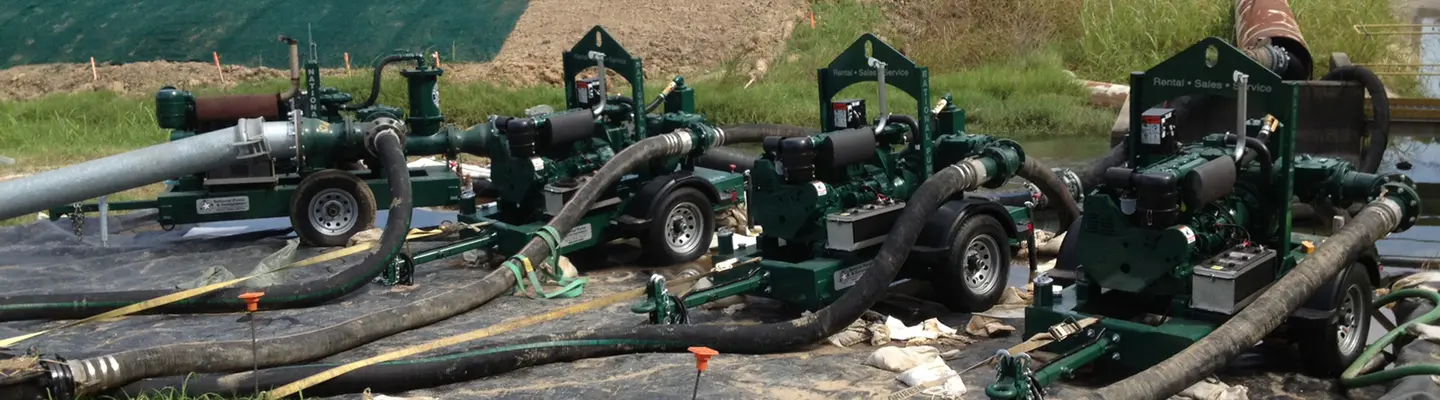
Increase system reliability and save energy with these parallel pumping insights from our Fluid Solutions team.
Article Updated on: September 29, 2026
Temporary wastewater bypasses allow pipeline owners to repair or upgrade aging wastewater systems. To prevent a disastrous spill or sewer backup and avoid fines, pump redundancy is critical and often mandated. A well-designed parallel pump system mitigates risk and provides peace of mind, especially when flows vary significantly.
Running pumps in parallel may be relatively straightforward in small systems. However, the more complex the system, the more potential pitfalls engineers and operators may encounter. Poor system design or flawed operation can reduce efficiency, increase costs and put the system at risk of failure.
These practical tips from the pump specialists at United Rentals can help contractors and engineers achieve efficient, trouble-free performance and remain in compliance.
When setting up two pumps in parallel, it’s important to choose pumps with closely matched performance curves. Otherwise, one pump will carry most of the flow. When one pump is overworked, it wears faster and may overheat, potentially causing system failure.
Using identical or similar pumps helps balance the workload between two pumps. A balanced workload helps maintain system efficiency and reliability.
Choosing pumps with similar curves is essential, but so is getting the size of the pumps right. By accurately calculating the total dynamic head (TDH) for each pump, system designers can choose pumps that will overcome the resistance in the system and deliver the required flow rates while using less energy and reducing the risk of cavitation.
TDH reflects factors such as suction lift, discharge elevation and pipe friction.
Wastewater flow is rarely constant. On top of normal fluctuations during the day, heavy storms and periodic industrial discharges can cause flows to spike. Adding a standby pump, especially a larger one, increases the ability of the system to handle them.
Automatic controls such as float switches can turn on the standby pump when it’s needed during surges. At other times, the two smaller pumps meet the demand.
This approach increases efficiency compared to oversizing the paralleled pumps to account for surges.
Size pumps so they can run below their maximum revolutions per minute (RPM) and still provide the necessary TDH. High flow velocities increase turbulence and energy consumption. Running pumps at lower RPMs helps achieve laminar flow, which reduces friction losses and extends the life of pump components. It also reduces the risk of short cycling.
The manifold, which directs and controls the flow of wastewater, is more important to system capacity and efficiency than it gets credit for. A well-designed manifold reduces friction losses, balances flow sharing and prevents bottlenecks.
Pay particular attention to header size. Undersized headers increase friction losses and can cause problems such as cavitation. Install gate valves for each pump to isolate pumps and prevent backflow when pumps cycle.
When multiple pumps run together, balanced flow is vital. Unequal loads can cause overheating or even pump failure. Confirm balanced flow sharing with flow meters and runtime meters. Optimize the placement of suction lines to prevent one pump from dominating.
Automated controls can switch pumps at set intervals, ensuring that both units receive equal run time.
By remotely monitoring the bypass system, operators can proactively reduce risk. Pump telemetry allows them to remotely monitor and adjust flow rates.
In United Rentals’ worksite management platform, Total Control®, users can set up alerts that notify them via phone, tablet or computer when metrics such as flow and pressure deviate from the expected norm. An unexpected drop could indicate a leak.
Larger and more complex bypass projects benefit from drawings created by a professional engineer with experience in bypass engineering. For contractors who don’t have one of these engineers in-house, partnering with a temporary equipment vendor that does can help ensure an effective, efficient pump system design.
United Rentals’ engineers will assess the dynamics of a wastewater bypass setup to determine the optimal pump solution. Leveraging its wide fleet of pumps, hoses, gate valves and fittings, United Rentals also offers turnkey pumping solutions. Our technicians can monitor pump performance and quickly address issues such as flow imbalance and equipment malfunctions via diagnostics and remote alerts.
Well-designed parallel pump systems can deliver both redundancy and efficiency for any wastewater bypass project. Following these eight tips helps reduce costs, maximize reliability and ensure regulatory compliance.